
- All
- Product Name
- Product Keyword
- Product Model
- Product Summary
- Product Description
- Multi Field Search

Which bucket tooth is better for hard rock—rock penetrator teeth or rock chisel teeth?
Rock penetrator teeth are designed for hard and abrasive rock where penetration and wear resistance are both important. Rock chisel teeth use a narrower, chisel-shaped profile to concentrate digging force and penetrate hard materials. Both are commonly used in quarrying, mining, and heavy-duty excavation, but their working characteristics are different.
For buyers choosing excavator bucket teeth, the key factors are ground conditions, tooth profile, wear resistance, machine and adapter compatibility, and the required balance between penetration and service life.
Factor | Rock Penetrator Teeth | Rock Chisel Teeth |
Main purpose | Penetration with enhanced wear protection | Concentrated penetration |
Profile | Reinforced penetrating profile | Narrow chisel-shaped profile |
Hard rock | Suitable | Suitable |
Abrasive rock | Particularly suitable | Suitable depending on design |
Typical applications | Mining, quarrying, severe excavation | Rock excavation, mining, quarrying |
Main selection consideration | Penetration + wear life | Penetration + impact resistance |
The distinction is also reflected in commercial tooth systems. For example, rock penetration and rock chisel are offered as separate tooth profiles for different working requirements.
Rock penetrator teeth are heavy-duty bucket teeth developed for extremely tough and abrasive ground conditions. Their profile is designed to maintain penetration while providing additional material in high-wear areas.
They are commonly considered for:
Hard rock excavation
Mining
Quarrying
Abrasive ground
Heavy-duty excavators and loaders
YASSIAN's range includes Rock-Penetration teeth as well as specific products such as K20RP2 Rock Penetrator Bucket Tooth and XS145RPL Rock Penetrator Long Tooth for different equipment systems.

K85RP3 Kmax-Compatible 85 Series Rock Penetrator Tooth for Wheel Loaders
Rock chisel teeth feature a narrow, chisel-shaped working profile designed to concentrate force at the digging edge. This geometry helps the bucket penetrate hard materials and is commonly used for rock excavation, quarrying, mining, and other severe-duty work.
YASSIAN supplies rock chisel teeth alongside rock penetration, penetration, SYL, long, and other tooth profiles, allowing the tooth design to be matched to different ground conditions.

K20RC Kmax 20 Series Rock Chisel Bucket Tooth
The choice should be based on the material and operating conditions, not simply on excavator size.
The material is both hard and highly abrasive
Maintaining the tooth profile during extended excavation is important
The application involves severe rock, quarrying, or mining
You need a balance between penetration and wear resistance
Strong penetration into hard material is the main requirement
The job involves rock excavation or quarrying
A narrow, concentrated working profile is preferred
Impact and penetration are more important than maximum wear coverage
These are general selection guidelines. Actual performance depends on tooth geometry, material, heat treatment, adapter design, machine configuration, and operating technique.
Bucket tooth geometry changes how digging force interacts with the ground.
A penetrating profile concentrates force toward the working tip, which can help the bucket enter compact or hard material. A rock-oriented profile generally adds material in areas exposed to severe wear and impact.
YASSIAN's product range reflects this application-based approach, including Long, SYL, Rock Chisel, Rock Penetration, Penetration, TL/VIP, WTL/WVIP, and Wide bucket teeth.
General excavation: Long or SYL Bucket Tooth Tip
Compacted material: Penetration-oriented profiles
Hard rock: Rock Chisel or Rock Penetration
Severe impact and abrasion: Heavy-duty rock profiles
Loose material and high-volume loading: Wide profiles
This approach is consistent with YASSIAN's tooth-selection guidance, which recommends matching tooth design to the actual material and working environment.
Before ordering replacement teeth, confirm these five points:
1. Machine and bucket
Identify the excavator or loader model and bucket configuration.
2. Tooth system
Check whether the bucket uses a specific adapter or tooth system.
3. Part number
Use the existing tooth part number whenever possible to reduce compatibility errors.
4. Ground conditions
Specify whether the application involves limestone, granite, compacted soil, quarry rock, or highly abrasive material.
5. Performance priority
Determine whether the operation needs greater penetration, longer wear life, or a balance of both.
YASSIAN supplies aftermarket bucket teeth compatible with major equipment brands, including Caterpillar, Komatsu, Volvo, Hitachi, Hyundai, Doosan, JCB, Kobelco, and Case.
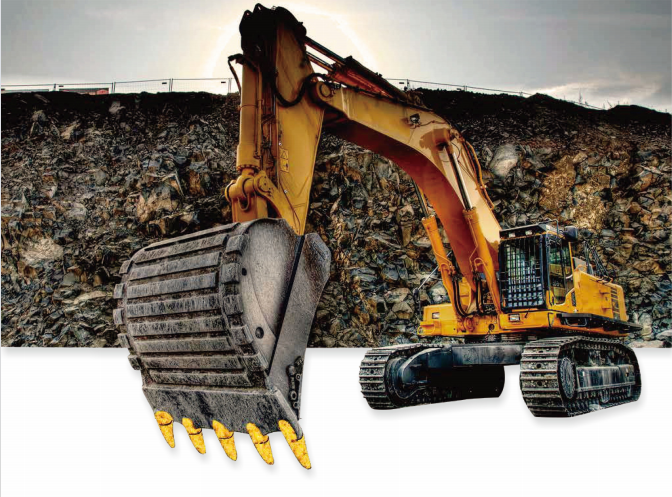
Rock penetrator teeth and rock chisel teeth are both designed for demanding excavation, but they serve different design priorities.
Rock chisel teeth use a concentrated chisel profile to support penetration into hard materials. Rock penetrator teeth are designed to combine strong penetration with additional wear protection for tough and abrasive conditions.
For hard rock, mining, and quarry applications, the best choice depends on material hardness, abrasiveness, required penetration, machine and adapter compatibility, and expected tooth life.
For replacement or wholesale sourcing, start with the machine and tooth system, then match the tooth profile to the actual working conditions. This approach is more reliable than selecting bucket teeth based on machine size or product name alone.
YASSIAN supplies rock penetrator teeth, rock chisel teeth, excavator bucket teeth, and other ground engaging tools for demanding excavation, mining, and quarrying applications.
If you are sourcing replacement teeth for a specific machine or tooth system, provide the machine model, existing tooth part number, adapter information, or application details. Our team can help identify a suitable tooth configuration for your operating conditions and supply requirements.
Contact YASSIAN to discuss your rock penetrator teeth requirements, OEM replacement needs, or wholesale sourcing options.
A: Neither profile is universally better. Rock penetrator teeth emphasize penetration combined with wear protection, while rock chisel teeth emphasize concentrated penetration. The appropriate choice depends on the material, machine, adapter, and operating conditions.
A: Rock penetrator teeth are used on excavators and loaders in demanding applications. The exact tooth must match the machine, bucket, adapter, and tooth system.
A: Start with the machine and adapter system, then evaluate material hardness, abrasiveness, required penetration, and expected wear life. Using the existing tooth part number or dimensions can help confirm compatibility.


