
- All
- Product Name
- Product Keyword
- Product Model
- Product Summary
- Product Description
- Multi Field Search

When an excavator works in hard soil, gravel, rock, quarry material, or mining conditions, the bucket takes constant impact and abrasion. Most people first notice the bucket teeth or cutting edge, but another important wear part often works quietly on both sides of the bucket: excavator bucket side cutters.
Although side cutters may look like small components, they play a major role in bucket protection, digging efficiency, and long-term maintenance cost control. For contractors, equipment owners, dealers, and parts buyers, understanding how bucket side cutters work can help you choose the right replacement parts and avoid unnecessary bucket damage.

Excavator bucket side cutters are wear-resistant components installed on the left and right sides of an excavator bucket, usually near the front side plates and cutting edge area. Their main purpose is to protect the bucket side plates from direct contact with abrasive materials while also improving side cutting performance.
In many bucket designs, side cutters are replaceable parts. They are commonly available as bolt-on side cutters or weld-on side cutters, depending on the bucket structure and working requirements. Bolt-on side cutters are fixed with bolts and nuts, making them easier to remove and replace during maintenance. Weld-on side cutters are attached by welding and are often used in customized or heavy-duty bucket applications.
Side cutters are usually made from wear-resistant steel or alloy steel because they must handle repeated friction, impact, and pressure during excavation. They are part of a broader category known as bucket wear parts, excavator bucket protection parts, or ground engaging tools.
The sides of an excavator bucket are exposed to severe wear during digging, loading, trenching, and material handling. Without side cutters, the bucket side plates may directly rub against soil, stone, sand, gravel, or demolition material. Over time, this can cause thinning, deformation, cracking, and costly repairs.
Side cutters act as a protective layer between the bucket shell and the working material. Instead of allowing the bucket side plate to absorb all the wear, the side cutter takes most of the friction and impact. When the side cutter becomes worn, it can be replaced more easily and economically than repairing the entire bucket.
This is why excavator bucket side cutters are important not only for equipment protection, but also for controlling operating costs.
The most important function of side cutters is to protect the bucket side plates. During excavation, the bucket does not only wear at the front edge. The side areas also scrape against the ground, trench walls, rocks, and compacted materials.
A good side cutter helps reduce direct wear on the bucket body. This is especially important in harsh working conditions such as quarrying, mining, road construction, and rocky soil excavation. By using replaceable side cutters, equipment owners can extend bucket service life and reduce the risk of structural damage.
Excavator bucket side cutters also help the bucket enter and move through material more efficiently. When the bucket cuts into the ground, the side cutters assist with side penetration and reduce resistance along the bucket edges.
In tough digging conditions, worn or missing side cutters can make the bucket harder to control. The machine may require more force to dig, which can increase fuel consumption, slow down the work cycle, and place more stress on the excavator. Properly selected side cutters can help the bucket cut cleaner and work smoother.
Side cutters slightly extend beyond the bucket side plates. This can increase the effective cutting width of the bucket and provide better clearance when working in trenches or compacted material.
For trenching and pipeline work, this side clearance can be very useful. It allows the bucket to move through the trench more easily and helps reduce side drag. In some applications, bucket side cutters can also help create cleaner trench walls and improve the overall digging result.
Replacing a pair of bucket side cutters is usually much cheaper than repairing worn bucket side plates or replacing the entire bucket. For heavy equipment owners, this makes side cutters a practical investment.
If side cutters are ignored for too long, the bucket body may start to wear directly. Once the bucket shell is damaged, repair costs can include welding, rebuilding, downtime, labor, and even replacement of major bucket components. Regular inspection and timely replacement of side cutters can help prevent these expensive problems.
A bucket is a valuable attachment. Its service life depends heavily on the quality and condition of its wear parts. Along with bucket teeth, adapters, cutting edges, and side shrouds, side cutters help protect the bucket from premature wear.
For contractors working in abrasive environments, heavy-duty bucket side cutters can significantly improve bucket durability. They are especially useful in mining, quarry, demolition, roadwork, and heavy construction applications.
Bolt-on side cutters are one of the most common types used on excavator buckets. They are installed using bolts and nuts, which makes replacement easier. When the side cutter becomes worn, the operator or maintenance team can remove the bolts and install a new part.
This type is popular because it reduces maintenance time and does not require welding during every replacement. However, it is important to check the bolt holes, bolt size, and hole pattern before purchasing replacement side cutters.
Weld-on side cutters are welded directly to the bucket side plates. They can provide strong attachment and are often used on special buckets or heavy-duty applications.
The main advantage of weld-on side cutters is strength and flexibility for custom bucket designs. The disadvantage is that replacement requires cutting, grinding, and welding work, which takes more time and skilled labor.
Heavy-duty excavator bucket side cutters are designed for severe working conditions. They are usually thicker, stronger, and made from higher-grade wear-resistant material. These side cutters are suitable for rock, quarry, mining, and other high-impact environments.
If your bucket works mostly in soft soil, standard side cutters may be enough. But if your machine regularly handles abrasive or rocky material, heavy-duty side cutters are usually a better choice.
Knowing when to replace side cutters is important for preventing bucket damage. Here are some common signs to watch for.
First, check for visible wear. If the side cutter becomes thin, rounded, or uneven, it may no longer provide enough protection. Second, look for cracks, broken corners, missing bolts, or loose fitment. These problems can reduce protection and may damage the bucket side plate.
Another important sign is when the side cutter wears down close to the bucket shell. The side cutter should be replaced before the bucket side plate becomes fully exposed. If the bucket body is already wearing, the replacement has been delayed too long.
You should also pay attention to digging performance. If the bucket becomes harder to penetrate material or the machine needs more effort to dig, worn side cutters may be part of the problem.
Choosing the correct side cutters is not only about finding a similar shape. Several details must be confirmed before purchase.
First, identify the excavator brand and model. Common brands include Caterpillar, Komatsu, Hitachi, Volvo, Doosan, Hyundai, JCB, Kobelco, and others. Different machines and buckets may use different side cutter designs.
Second, check the bucket size and bucket type. General-purpose buckets, heavy-duty buckets, rock buckets, trenching buckets, and mining buckets may require different side protection solutions.
Third, confirm the dimensions. For bolt-on side cutters, pay special attention to the hole pattern, bolt size, number of holes, left-hand and right-hand design, thickness, and overall length. A small difference in hole spacing can make the part impossible to install.
Fourth, choose the right material according to the working condition. Standard wear-resistant steel may be suitable for normal earthmoving. For rock, quarry, and mining work, alloy steel or heavy-duty designs are often recommended.
Finally, decide between OEM and aftermarket side cutters. OEM side cutters usually offer reliable fitment, while aftermarket bucket side cutters can be a cost-effective option for bulk buyers, dealers, and contractors. A good aftermarket supplier should provide accurate dimensions, stable quality, and support for different excavator brands.
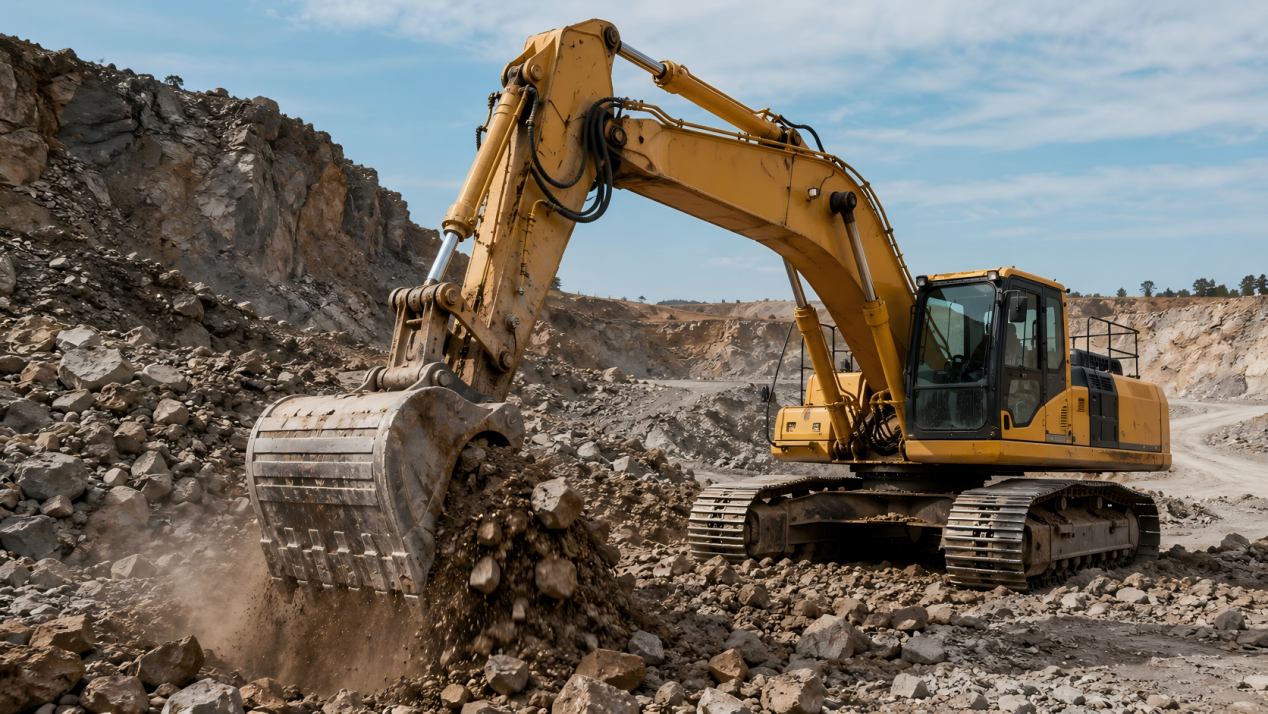
Excavator bucket side cutters are used in many industries and working environments.
In construction and earthmoving, they protect buckets during foundation work, road building, site preparation, and general excavation. In quarry and mining applications, they help protect the bucket from hard rock and abrasive material. In trenching and pipeline work, side cutters improve side clearance and help the bucket move smoothly through narrow working areas.
They are also useful in sand, gravel, clay, and compacted soil applications where continuous friction can quickly wear bucket side plates. For contractors who want to reduce downtime and maintenance costs, keeping side cutters in good condition is a simple but important step.
Excavator bucket side cutters work together with other bucket wear parts, but each part has a different function.
Bucket teeth are installed at the front of the bucket and are mainly used for penetration and breaking material. Cutting edges protect the lower front edge of the bucket and help with cutting and loading. Side cutters protect the left and right sides of the bucket while also increasing side cutting ability.
Side shrouds are also used for bucket side protection, but they are usually positioned along the side edges or side plates. In some severe applications, side cutters and side shrouds may be used together to provide stronger protection.
To get the best performance from excavator bucket side cutters, regular inspection is necessary. Operators should check side cutters during routine machine maintenance, especially after working in rocky or abrasive conditions.
Make sure bolts are tight on bolt-on side cutters. Loose bolts can damage the mounting holes and cause abnormal wear. Replace worn bolts and nuts when necessary. For weld-on side cutters, check the weld area for cracks or separation.
Most importantly, replace side cutters before the bucket side plates are exposed. Preventive replacement is usually cheaper than repairing a damaged bucket.
For companies working in heavy-duty environments, it is also wise to keep spare side cutters in stock. This can reduce downtime when replacement is needed urgently.
Excavator bucket side cutters may be small compared with the bucket itself, but they provide big protection value. They help protect bucket side plates, improve digging performance, increase cutting clearance, reduce maintenance costs, and extend bucket service life.
Whether you work in construction, mining, quarrying, trenching, or roadwork, choosing the right bucket side cutters can make your excavator bucket more durable and efficient. For buyers, the key is to confirm the machine model, bucket size, hole pattern, material requirement, and working condition before placing an order.
If you are looking for durable excavator bucket side cutters for different excavator brands and bucket models, send us your machine model, bucket photos, dimensions, or part numbers. We can help you find the right replacement side cutters for your application.


