
- All
- Product Name
- Product Keyword
- Product Model
- Product Summary
- Product Description
- Multi Field Search
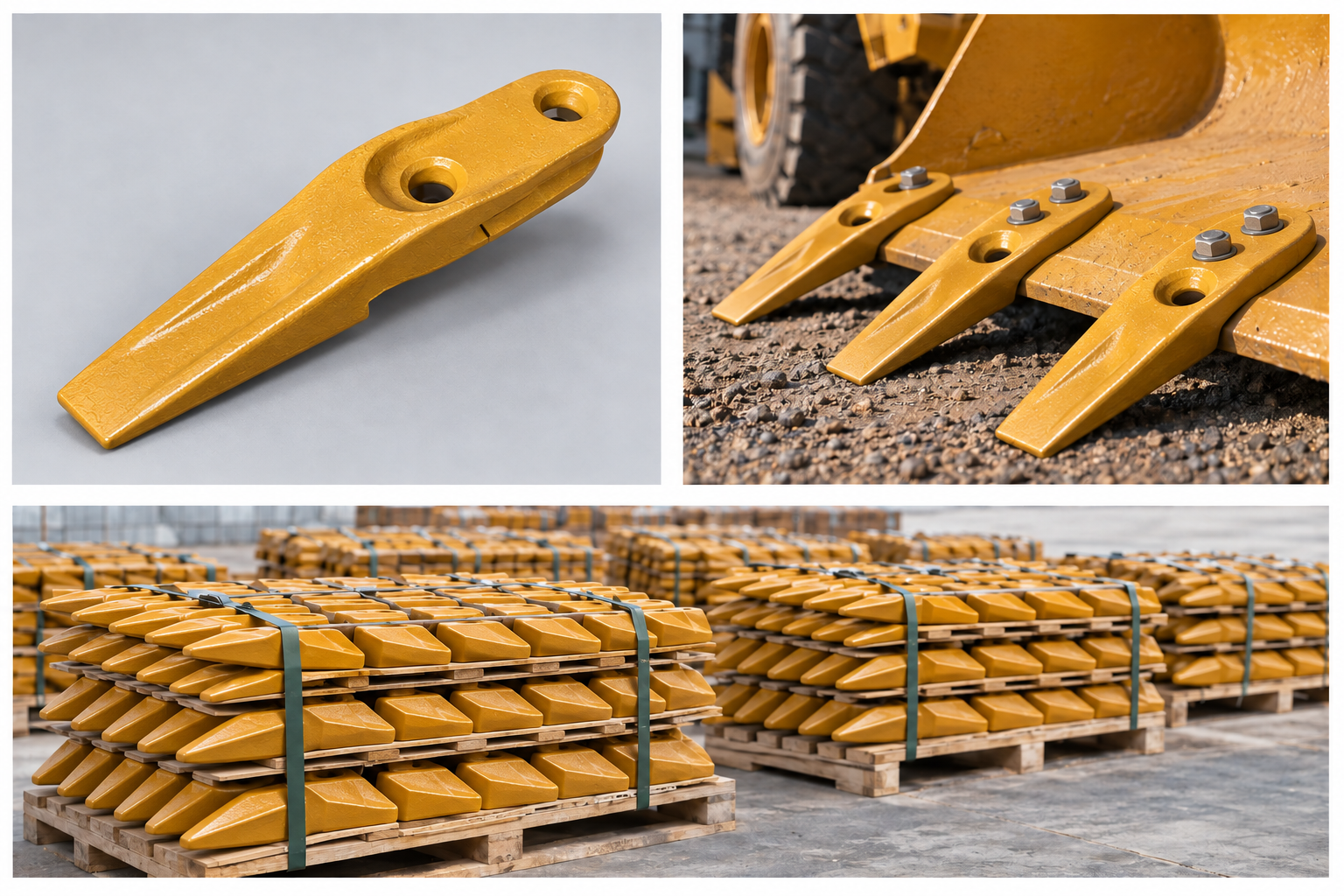
When buying 1U1857 bolt-on bucket teeth in bulk, the priority is to verify mounting compatibility, establish consistent product quality, and choose a manufacturer that can support repeat orders. The 1U1857 / 1U-1857 is a bolt-on, one-piece center bucket tooth, also known as a Uni-Tooth, designed for compatible loader bucket configurations. For distributors, equipment dealers, and fleet maintenance companies, confirming the exact mounting interface and supply requirements before placing a large order helps reduce fitment problems, unnecessary returns, and procurement costs.
YASSIAN offers a 1U1857 bolt-on bucket tooth for selected Cat 924F and 928G loader applications. However, machine model alone does not guarantee compatibility. Buyers should verify the bucket configuration, mounting dimensions, and existing installation before confirming an order.
Key product details include:
Item | Specification |
Part number | 1U1857 / 1U-1857 |
Product type | Bolt-on center bucket tooth / Uni-Tooth |
Product category | Aftermarket replacement part |
Mounting design | One-piece bolt-on configuration |
Mounting positions | Two mounting holes on the pictured product |
Installation position | Center tooth position on a matching bucket |
Surface finish | Yellow finish as shown |
Main application | General loading and earthmoving with a compatible bucket |
For product details, visit the YASSIAN 1U1857 Bolt-On Bucket Tooth product page.

Compatibility should be the first checkpoint when sourcing 1U1857 bucket teeth. Even when two teeth look similar, differences in mounting geometry can prevent correct installation.
Before requesting a quotation, prepare the following information:
Part number: Confirm whether the existing tooth is marked 1U1857, 1U-1857, or another reference.
Machine details: Provide the loader model, serial number, and relevant parts-catalog reference where available.
Bucket configuration: Identify the bucket type and confirm whether the mounting area has been replaced, repaired, or modified.
Mounting dimensions: Record hole diameter, center-to-center spacing, bucket-lip thickness, and seating geometry.
Product photographs: Supply clear views of the existing tooth from the front, side, top, and mounting area.
If the old tooth is heavily worn or its part number is unreadable, photographs and measurements become particularly important. A worn component may no longer represent its original dimensions accurately, so compare it with the bucket mounting interface and any available technical drawings.
For large orders, approve a sample or dimensional drawing before authorizing full production or shipment. This step establishes a shared technical reference for both the buyer and the manufacturer.
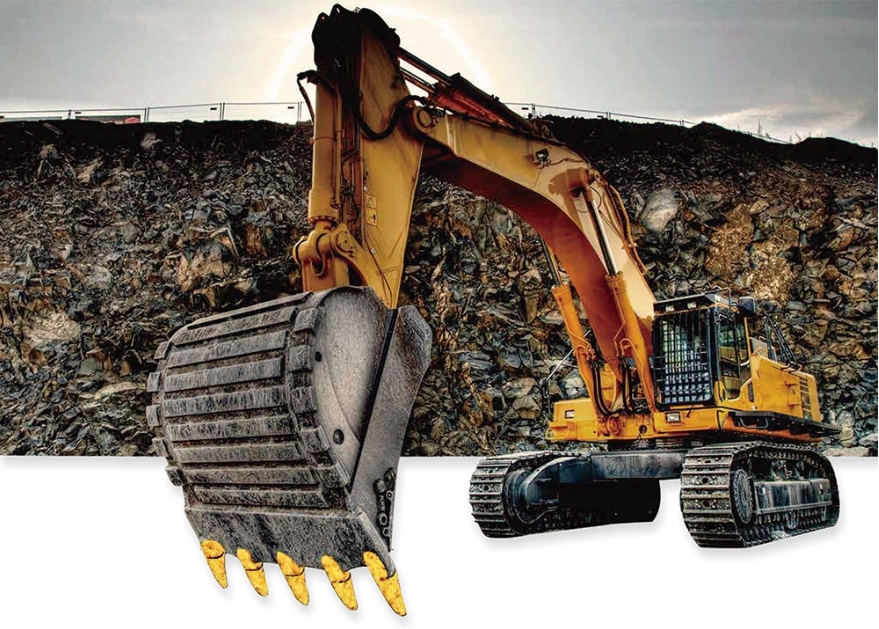
A competitive unit price does not necessarily mean a competitive bulk purchase. Product inconsistency can lead to installation delays, customer complaints, replacement costs, and inventory losses.
When evaluating a bucket tooth manufacturer, focus on the following quality checkpoints.
Quality checkpoint | What B2B buyers should verify |
Material specification | Confirm the alloy steel grade or agreed material requirements |
Manufacturing process | Ask about casting or other applicable production processes |
Heat treatment | Request details of the process and relevant inspection records |
Dimensional accuracy | Check critical mounting dimensions against the approved drawing |
Visual inspection | Inspect for cracks, deformation, surface defects, and inconsistent finishing |
Batch consistency | Clarify sampling procedures and acceptance criteria |
Documentation | Request available material certificates, test reports, and inspection records |
For ground engaging tools, material hardness is only one part of product performance. Impact resistance, wear resistance, manufacturing consistency, and dimensional accuracy also matter. A hardness figure alone cannot establish expected service life.
Buyers should therefore request evidence that relates to the actual product being supplied rather than relying exclusively on general quality claims.
YASSIAN states that it maintains quality control from raw material through finished production and provides technical support for standard-reference and customized products. For a bulk order, buyers can discuss which inspection records and technical documents are available for the specific 1U1857 replacement.
When comparing quotations from multiple suppliers, make sure each quotation covers the same technical specification and delivery requirements.
A lower unit price may not represent the best purchasing value if the quotation excludes required hardware, uses different packaging, or leaves important inspection requirements undefined.
Consider these cost factors:
Unit price: Compare the price for the same approved product and order quantity.
Fasteners: Confirm whether bolts and nuts are included and whether their specifications match the installation.
Packaging: Agree on individual protection, carton quantities, labeling, and export packaging.
Quality inspection: Establish whether dimensional checks, sample approval, or additional inspections are included.
Shipping and delivery: Compare lead times, freight arrangements, destination charges, and delivery terms.
After-sales support: Clarify the process for handling verified quality issues or nonconforming goods.
For distributors, landed cost and repeat-order consistency are often more useful than the lowest quoted price. The purchasing decision should account for the cost of receiving, storing, selling, and replacing the parts throughout the supply cycle.
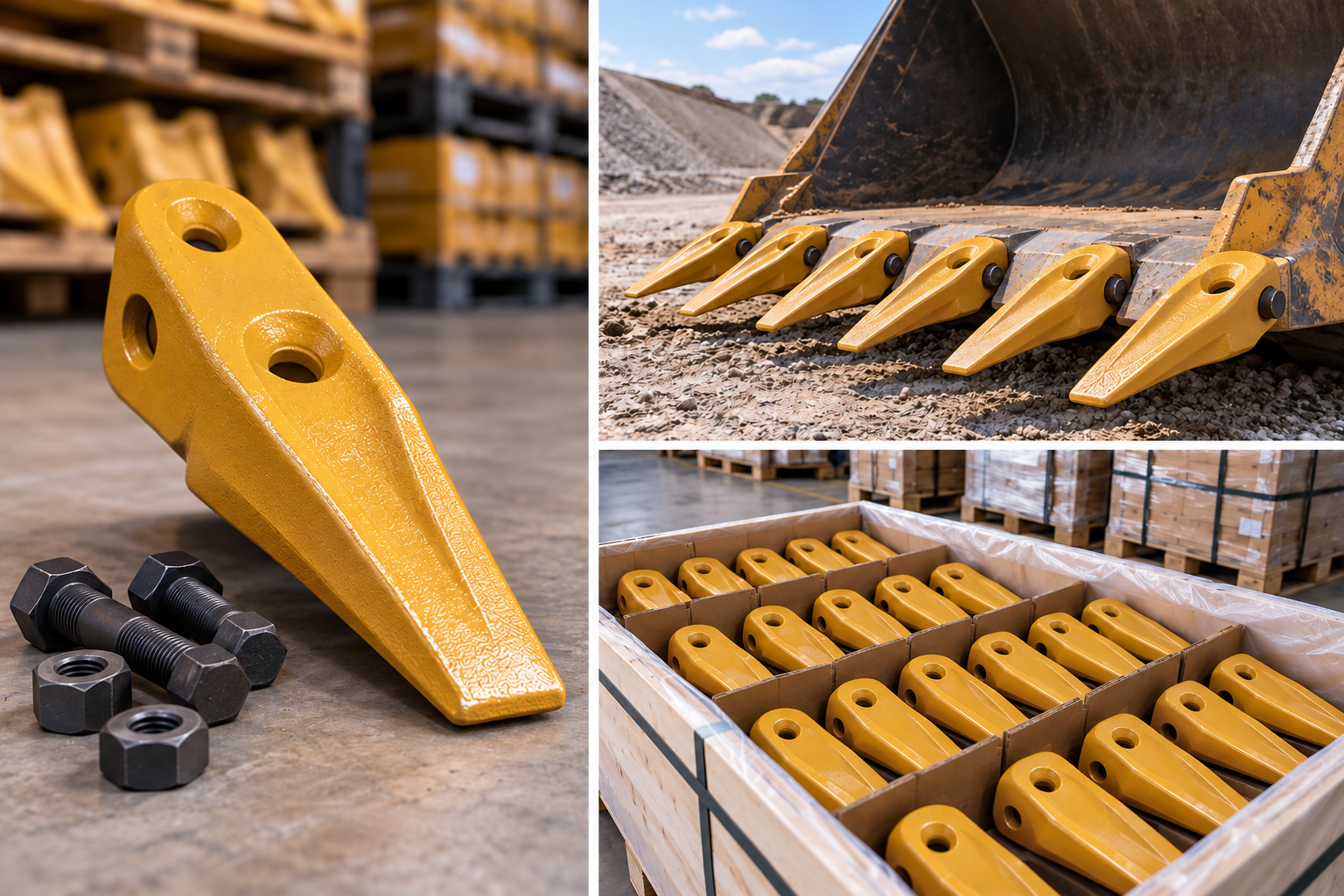
Sample approval is especially useful when a buyer is introducing a new aftermarket supplier or placing a substantial first order.
Before production or shipment, agree on the following:
Approved product reference: Record the part number and any drawing revision used for acceptance.
Critical dimensions: Identify the mounting measurements that must match the approved specification.
Material and testing requirements: Document the agreed material, heat-treatment, and inspection criteria.
Sample approval: Define how the sample will be inspected and who will approve it.
Change control: Require notification and approval if the manufacturer proposes a material, design, or process change that affects the agreed specification.
Packaging and identification: Confirm product labels, part numbers, quantities per carton, and any customer-specific requirements.
These measures are particularly valuable for distributors who supply the same replacement part to multiple customers. A clear specification reduces the chance of receiving products that share a part-number description but differ from the approved configuration.
The 1U1857 reference should not be treated as a universal solution for every loader application. The suitability of a replacement also depends on the bucket design and working environment.
For general loading and earthmoving, verify that the tooth matches the existing bucket and intended duty. If the machine handles highly abrasive materials, repeated rock impact, or other demanding conditions, discuss the application with the manufacturer before selecting a replacement.
Useful information includes:
The material being handled, such as soil, sand, gravel, or aggregate.
The balance between abrasion and impact in the working cycle.
The current tooth's wear pattern and approximate replacement interval, if known.
Any recurring problems, including premature wear, cracking, or mounting damage.
This information helps the supplier assess whether the proposed product is appropriate or whether another tooth design should be considered.
For bulk buyers, matching product selection to actual working conditions can also improve inventory planning by distinguishing general-purpose replacement demand from specialized wear-part requirements.
For importers, wholesalers, and equipment parts distributors, a reliable supply relationship involves more than a single successful shipment. The manufacturer should be able to communicate technical requirements clearly, maintain agreed quality standards, and support future replenishment.
When evaluating a potential manufacturing partner, ask:
Can the supplier produce against an established part number or approved drawing?
Are sample orders and flexible order quantities available?
Can the manufacturer provide relevant quality documents and inspection records?
Are production lead times and order-confirmation procedures clearly defined?
Can the supplier support additional bucket teeth, adapters, cutting edges, and other ground engaging tools as your product range expands?
Is there a defined process for resolving quality or fitment issues?
YASSIAN manufactures aftermarket ground engaging tools, including bucket teeth, adapters, cutting edges, and related wear parts. The company also offers support for OEM part-number references and customized products based on drawings or detailed dimensions.
For distributors developing a long-term sourcing program, this broader product range can help consolidate purchasing requirements with a supplier familiar with multiple ground engaging tool categories.
A complete request for quotation (RFQ) allows the manufacturer to assess compatibility and provide a more accurate offer.
Use the following checklist when contacting a supplier:
RFQ information | Details to provide |
Product reference | 1U1857 / 1U-1857 |
Machine and bucket | Loader model, serial number, and bucket configuration |
Technical verification | Drawings, dimensions, or photographs |
Required quantity | Initial order quantity and estimated repeat demand, if known |
Quality requirements | Material, heat treatment, inspection, and documentation |
Supply scope | Tooth only or tooth with specified hardware |
Packaging | Carton quantity, labels, and export packaging requirements |
Delivery | Destination, preferred delivery schedule, and shipping terms |
Commercial requirements | Quotation currency, payment terms, and any applicable purchase-order conditions |
If you are uncertain about compatibility, state that clearly and request a technical review before confirming the order. This is preferable to treating an unverified part-number match as final approval.
Sourcing 1U1857 bolt-on bucket teeth in bulk is more straightforward when part identification, mounting compatibility, quality requirements, and delivery expectations are agreed upon before ordering. A complete RFQ and an approved sample or drawing provide a practical foundation for consistent purchasing and repeat supply.
YASSIAN supplies aftermarket ground engaging tools to international buyers, including bucket teeth and related wear parts. Whether you are replenishing distributor inventory or sourcing replacement teeth for loader maintenance, our team can review your product reference and technical requirements.

Contact YASSIAN with your required quantity, machine and bucket details, product photographs, and inspection requirements to discuss a suitable 1U1857 replacement supply plan.
View the YASSIAN 1U1857 Bolt-On Bucket Tooth or visit our Bucket Teeth product category to explore additional aftermarket replacement options.


