
- All
- Product Name
- Product Keyword
- Product Model
- Product Summary
- Product Description
- Multi Field Search

Bucket teeth adapters play a critical role in the performance, durability, and efficiency of your excavator, loader, or backhoe. As a professional GET (Ground Engaging Tools) manufacturer, we know that the right adapter not only improves penetration and digging power but also reduces wear on the bucket lip and lower operating costs.
Among all adapter categories, bolt-on and weld-on adapters are the two most widely used. Each type serves different applications, soil conditions, and machine sizes. Choosing the correct system can significantly impact productivity, downtime, and total cost of ownership.
This article breaks down the key differences between bolt-on vs weld-on bucket teeth adapters, explains their advantages, and helps you choose the right option for your equipment and job site.
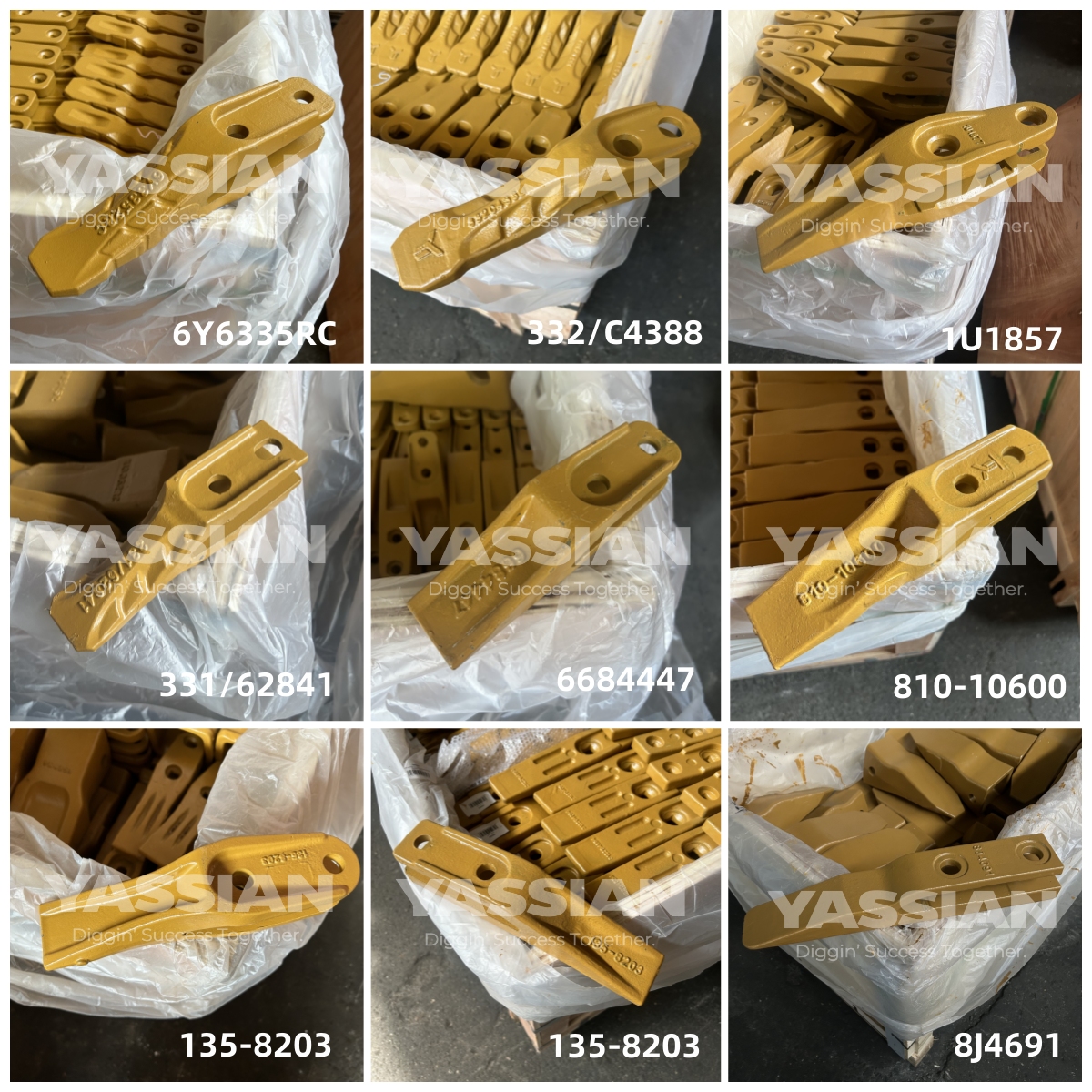
A bucket teeth adapter is the structural component that connects the bucket lip to the bucket tooth. It:
Transfers digging force from bucket to ground
Protects the bucket lip from wear
Stabilizes the tooth under high stress
Ensures proper tooth alignment for optimal penetration
A high-quality adapter is typically made from alloy steel with heat treatment for improved hardness, impact toughness, and wear resistance.
Because the adapter is the foundation of the GET system, choosing the wrong type often leads to:
Premature tooth loss
Increased fuel consumption
Uneven bucket wear
Frequent replacements
Reduced digging efficiency
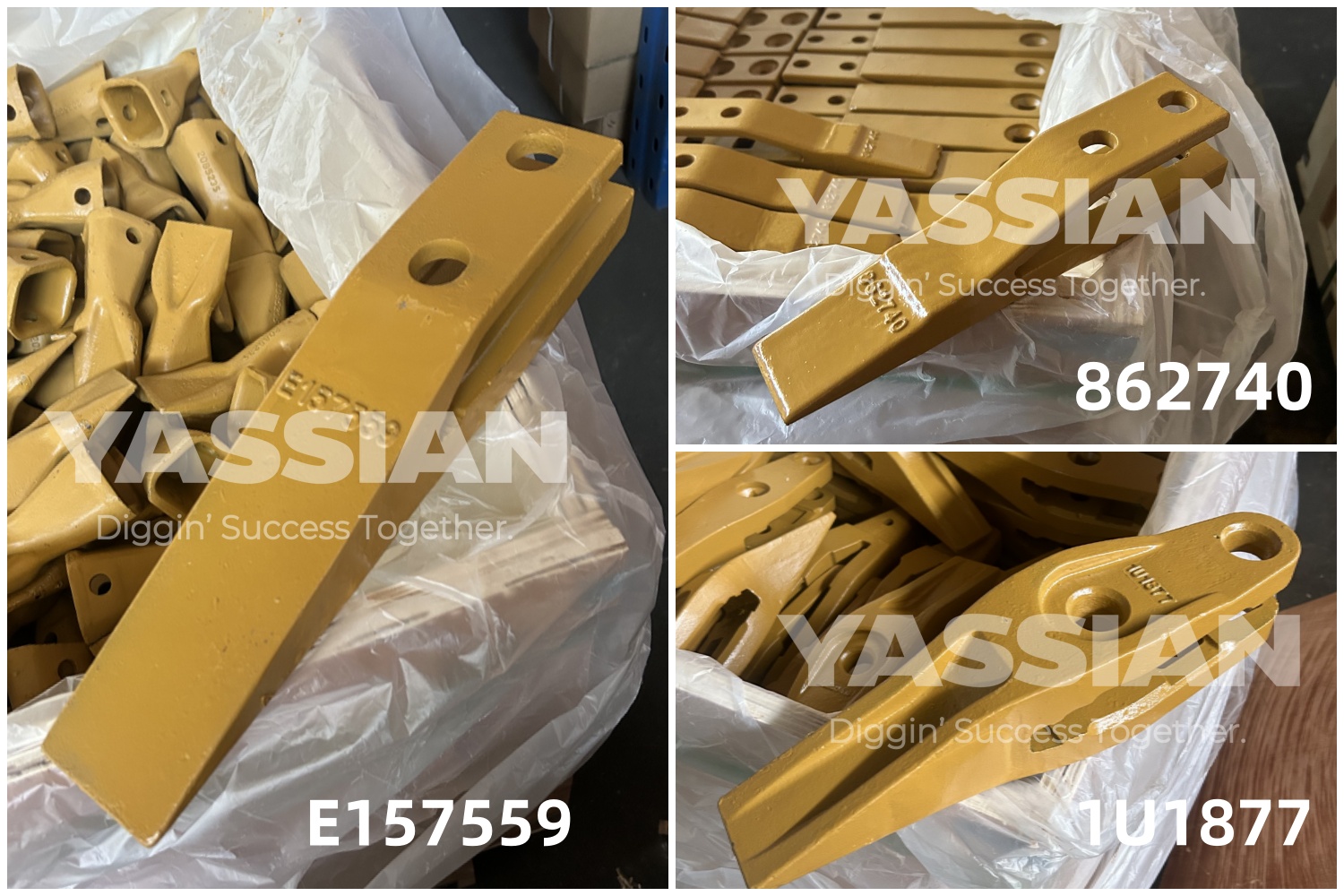
Bolt-on adapters are attached to the bucket lip using high-strength bolts and nuts. They are common on small to medium excavators, skid steers, and loaders.
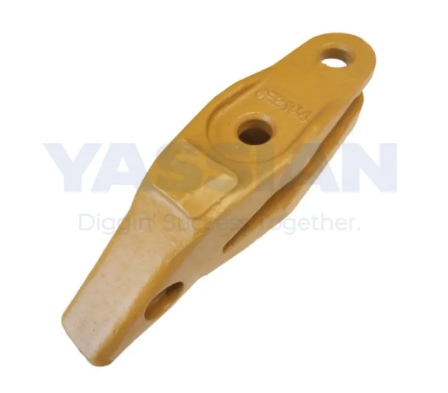
8E2184 CAT Bolt-On Bucket Teeth Adapter
1. Easy Replacement & Maintenance
One major benefit is convenience. You can remove or replace bolt-on adapters quickly without special tools or welding equipment.
For fleets with frequent machine rotation or rental businesses, this ease of maintenance reduces downtime significantly.
2. Less Heat Damage to Bucket Lip
No welding is required, so the bucket lip maintains its original strength without heat distortion or weakening.
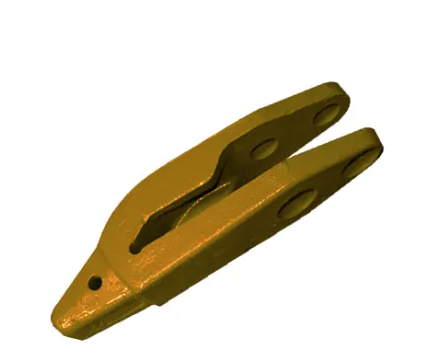
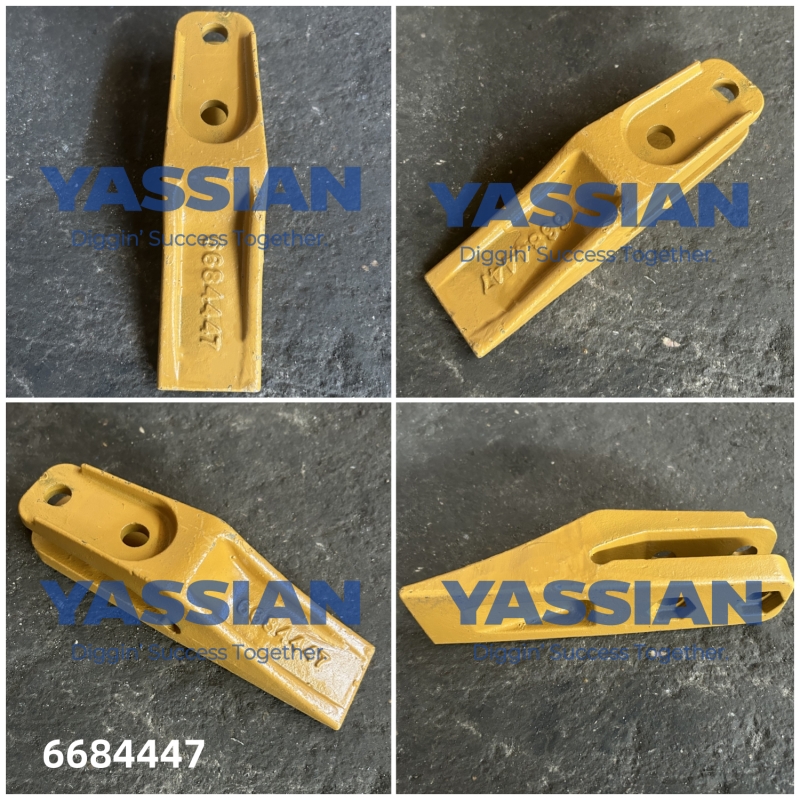
CAT J300 Center Bolt-on Scraper Adapter 9J2307
3. Ideal for Moderate-Duty Applications
Bolt-on adapters work best in:
General earthmoving
Light gravel
Construction site soil
Agricultural work
Landscaping
For example, a 5–12 ton excavator often uses bolt-on systems for increased flexibility during jobs requiring quick changeovers.
4. Reusable on Multiple Buckets
When switching buckets of the same size, bolt-on adapters can be transferred easily—helping reduce equipment costs.
Limitations of Bolt-On Adapters
Not ideal for severe rock or mining conditions
Bolts can loosen under extreme vibration
Slightly slower penetration efficiency versus weld-on designs
Weld-on adapters are permanently welded to the bucket lip, creating a rigid, heavy-duty structural connection. These adapters are preferred for medium to large excavators, quarry machines, and mining equipment.
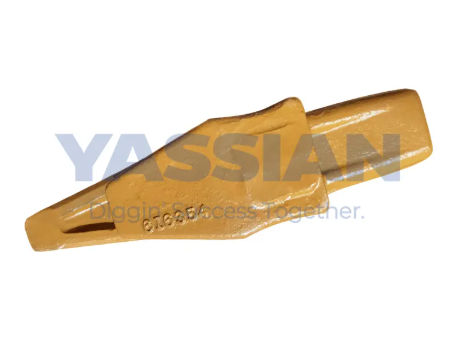
616354 Caterpillar E320 325330 Weld-on Bucket Teeth Adapter
1. Maximum Strength and Stability
Because they are welded directly to the bucket lip, weld-on adapters offer:
Greater structural integrity
Higher load capacity
Superior force transmission
For hard rock excavation, mining, or demolition, weld-on adapters are the industry standard.
2. Better Penetration Efficiency
Weld-on adapters allow closer tooth spacing and optimal tooth angle, increasing penetration in compacted soil or abrasive materials such as:
Basalt
Granite
Iron ore
Frozen ground
Contractors report 10–20% improved digging efficiency when switching from bolt-on to weld-on adapters in tough environments.
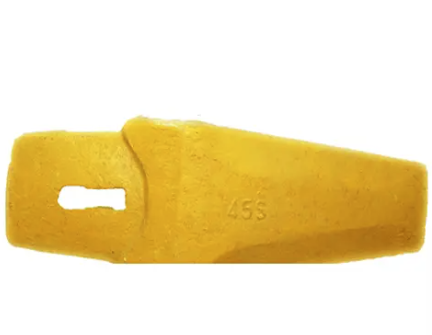
Hitachi-FIAT Helilok Conical Weld-On Bucket Teeth Adapter 45S
3. Reduced Risk of Tooth Movement
Because the connection is permanent, weld-on adapters eliminate bolt loosening and minimize operational vibration.
4. Lower Total Cost for Heavy-Duty Use
While installation is more labor-intensive, weld-on adapters last longer under high-impact loads, reducing long-term replacement frequency.
Limitations of Weld-On Adapters
Require skilled welding during installation
Bucket lip modification is permanent
Harder to replace in the field
Higher initial installation cost
The best choice depends on machine size, soil conditions, and workload intensity.
Criteria | Bolt-On Bucket Teeth Adapter | Weld-On Bucket Teeth Adapter |
Installation | No welding, easy removal | Requires welding, permanent |
Maintenance | Simple, fast | Requires cutting/welding |
Best For | Light–medium soil, general earthmoving | Rock, mining, demolition |
Machine Size | Small to mid-sized | Medium to large |
Strength | Good | Excellent |
Durability in Harsh Environments | Moderate | Very High |
Cost (long-term) | Lower for light-duty | Lower for heavy-duty |
General Recommendation:
Choose bolt-on adapters if you prioritize flexibility and quick replacement.
Choose weld-on adapters if your machine works in high-impact, abrasive, or heavy-duty environments.
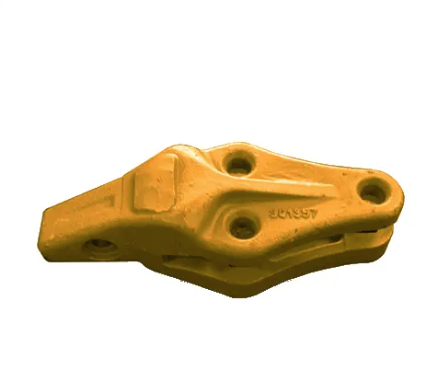
9J2357 3G1357 Caterpillar style 3 Bolt Hole Track-Type Loader Adapter
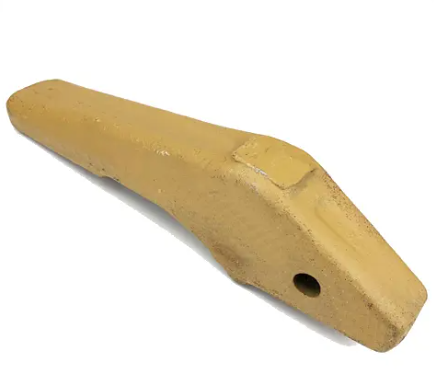
Caterpillar style Weld on Flush Mount Adapter 9J9584
As a professional GET manufacturer and supplier, we recommend:
Bolt-on bucket teeth adapters for excavators up to 12–20 tons working in construction, urban digging, or general earthmoving.
Weld-on bucket teeth adapters for excavators 20 tons and above, especially in quarries, mines, or demolition sites.
We produce both types using high-strength alloy steel with advanced heat-treatment processes to ensure:
Higher wear resistance
Stronger impact durability
Better tooth retention
Longer service life
Whether you choose bolt-on or weld-on adapters, selecting the correct system is crucial for:
Reducing operating costs
Improving penetration and digging efficiency
Extending bucket service life
Ensuring safety and stability
If you need customized adapters, OEM manufacturing, or a full GET solution, our engineering team can help you select the best system for your excavator or loader.
Need High-Quality Bucket Teeth Adapters? Contact Us!
We manufacture:
Get expert support, technical drawings, and competitive pricing.
Upgrade your bucket performance today with durable, high-precision GET components.


